For putting in place a multi-pronged process to reinvigorate the bhakti and sufi music of the Punjab. Systematic audio documentation bolstered by an innovative marketing strategy—direct sales by the performers in the rural market and online sales from a website—is expected to economically benefit the performers and expand their audience.
For the development of Correlated Objective Music Education and Training (COMET), a three-year professional music-education programme that uses technology to simplify the teaching and learning of music. The grant will also be used to develop short-term music education courses using COMET methodology, and for promotional and fundraising activities that will make the programme self-sustainable.
For three annual editions of a residency programme for fresh graduates of visual art schools across India, to culminate in three annual exhibitions. Each year, five artists will spend four weeks with an art critic at the Khoj studios in New Delhi, exploring their creativity and engaging with their peers and with senior artists.
For designing and conducting a series of workshops for women survivors of the communal riots in Gujarat in 2002. The workshops, which will build on the artist’s earlier attempts to integrate art, research and activism, are expected to be a model for how the arts might engage intimately with pertinent social concerns.
For research into performing traditions and changing structures of patronage in Maharashtra. By investigating Marathi theatrical practices that emerged in the 1840s, the study seeks to document how elite and popular performative forms were reconstituted in the latter half of the nineteenth century.
For making Recording Guiya, a documentary film that will explore the conditions that contributed to the unprecedented success of Guiya, an audio cassette released in the mid-1990s in Jharkhand. The film will examine the current state of popular music and the future of oral traditions.
For researching and documenting the history and unique weaving technique of the Molkalmuru sari from the Chitradurga district of Northern Karnataka. The documentation is expected to facilitate the revival and marketing of simplified versions of the sari.
For developing an innovative, online graduate-level programme in cultural studies in collaboration with Kuvempu University. By designing new curricula, developing textbooks, organising workshops and offering online courses, the Centre will build new links with research and teaching institutions.
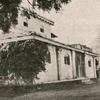
For documenting heritage buildings in Solapur, which exhibit architectural influences that span 1,000 years of successive rule by the Deccan Sultanates, the Mughals, the Marathas and the British. The documentation, which will include measure-drawings and photographs, is expected to lead to an exhibition and aid conservation efforts.
For documenting literary practices in nine languages spoken in Mumbai as well as translating selected texts among these languages. The resulting database will facilitate further translations among these languages.
For a series of workshops by an architect for middle-school children in three schools in Kolkata towards creating awareness about built heritage, especially in relation to the history and culture of the city. Educational packages will be developed to aid the workshops and site visits.
For researching and documenting the repertoire of biraha (songs of separation) in the folk music of Bengal, towards a musical travelogue in Bengali and English. The project, to be carried out by a contemporary songwriter and performer, will yield an archive of songs and interviews.
For continued collaboration among a painter/puppeteer, a sculptor/puppeteer and a shoe designer/woodworker towards developing full-fledged productions in puppet theatre. The grant will also give shape to the new techniques and styles of presentation that have evolved out of the exploratory phase.
For completing an illustrated manuscript provisionally titled ‘Include by Design: Architecture for the Inclusive Artplace’. The grant will enable the recasting of the manuscript for publication through the use of new photographs and illustrations, and will underwrite the book’s production costs.