For critical reflection on the relationships between theatre, history and society through the study of modes of production and consumption of nataks in Maharashtra in the early colonial period.
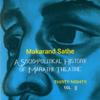
For the translation of a three-volume book, Marathi Natkachya Tees Ratri: Ek Samajik Rajkiya Itihas from Marathi to English. The book chronicles the socio-political history of modern Marathi theatre and has the potential to inform and enrich the more mainstream, but sometimes blinkered English language discourse on the arts. An earlier IFA grant had supported the research and writing of the book.
For collaboration between four young directors to devise a Marathi stage adaptation of Attempts on Her Life, a play by Martin Crimp. The production will use mobile scenic design and multimedia images to explore the social and psychological complexities of the central character and examine the crisis of identity in contemporary society in Maharashtra.
For research towards a book on the history and evolution of the little magazine movement from 1881 to 2010. The book will investigate the role of women writers, publishers, sponsors and critics in the little magazine movement, and the correlation between literature, social change and other art forms like painting, cinema and theatre. Digital copies of significant little magazines from 1960 to 1975 (a time of radical literary invention through the little magazines) will be distributed to university libraries and institutions across Maharashtra.
For research on the socio-political history of modern Marathi theatre. The researcher will focus on the different political trends in Marathi theatre from the time of the first modern playwrights in Marathi to the present. The resulting manuscript will serve as a source for three plays that will bring political history of modern Marathi theatre to a larger theatre-going audience.
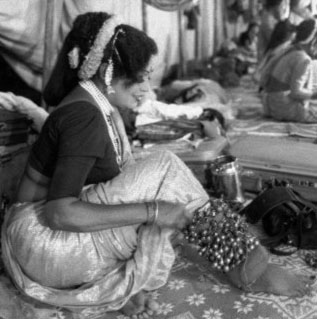
For the editing, designing and printing of Tamasha: Ek Rangadi Gamat, a book in Marathi on the Tamasha folk theatre form. The book––one of the outcomes of an IFA-supported documentation project––will contain about 250 photographs accompanied by text that describes the different forms of Tamasha prevalent in Maharashtra as well as the lifestyles of its performers.
For research into the history of Marathi Farce in the late nineteenth century and early twentieth century. The project will take into the account the social critique implicit in this form of theatre, as well as study female impersonation which was a characteristic of all Marathi theatre of this period. The research will lead to the writing of a monograph, translations of two Farces, and the creation of an archive of documents on the subject.
For research towards a manual on bamboo toy-making for middle- and high-school children, to be published in Marathi and English. Another component of the research would be workshops and teacher training programmes for schools in Pune district.
For photographic documentation of the folk theatre form Tamasha in rural and small-town Maharashtra. The project will generate a ‘cultural biography’ of Tamasha and a visual record of its entire repertoire, as well as a series of photographic exhibitions in Maharashtra.
For research into the life and art of folk musician Mahender Misir and his peers and predecessors. Through them the project will explore the cultural history of the Bhojpuri-speaking region of Bihar and eastern Uttar Pradesh during the last century, and will result in books as well as a musical play on the life of Mahender Misir.