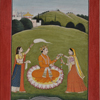
For engaging with the Painting Department of the National Museum, New Delhi for re-staging their collection of the Pahari Ragamala paintings to make the museum a dynamic space for both research and practice. Preeti will present the Ragamala paintings in its historical context and explore the relationship these miniatures have with other fields of arts such as literature and music. The project will culminate in an exhibition at the National Museum in February 2016.
This Grant was Terminated by IFA and the Grantee is ineligible to apply to IFA in the future.
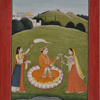
For engaging with the Painting Department of the National Museum, New Delhi for re-staging their collection of the Pahari Ragamala paintings to make the museum a dynamic space for both research and practice. Deeksha will curate a series of contemporary ‘performances’ in response to the textual, visual and aural nature of the Ragamala paintings. It will culminate in an exhibition at the National Museum in February 2016.
This Grant was Terminated by IFA and the Grantee is ineligible to apply to IFA in the future.
For researching the development and changes in the Lounda Nach performances in Bihar since the 1990s. The project aims to primarily explore the influence of CD culture and the film and cassette industries on Lounda Nach to understand how the aesthetics of this art form and its engagement with audiences have evolved. The outcome will be a book.
For a film exploring the subculture of B-boying and Breaking as an Indian form of contemporary street dance, that will focus on the performers at Khirki village, New Delhi, a volatile melting pot of Jats, Biharis, Nigerians, Afghanis, and struggling artists which is shaping the area’s youth in the unlikeliest of ways.
For exploring the contours of feminist street theatre as a genre, with its specificities and aims, its own language and methods, aesthetics and conceptual underpinnings as an integral part of the Indian women’s movement during the 1980s in Delhi. The outcomes will include a book and a CD.
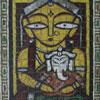
For the design and editing of a monograph on Bengali artist Jamini Roy with images from some of his finest paintings. This builds on an earlier grant to inventory Indian modernist paintings and prints from the late eighteenth to the late twentieth century housed in the collection of Rajya Charukala Parishad, Kolkata.
For three curatorial residencies, an art writing workshop and an international seminar addressing critical issues of curating Indian art in a global context. These projects will facilitate the development of a model for practice-based curatorial training and encourage cross-cultural dialogue on curating practices.
For mapping exhibition policy in India during the twentieth century; documenting select curatorial experiences over the last decade; and analysing the evolving relationship between curatorial practice and public culture. The research processes and outcomes will be captured in an illustrated report. This will be followed by meetings between representatives of museums, art institutions and relevant government ministries, and independent curators, artists and critics towards the preparation and distribution of advocacy materials and a policy-oriented document.
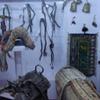
For research at the Munshi Aziz Bhat Museum of Central Asian & Kargil Trade Artifacts in Kargil. It will culminate in an exhibition that will open in the Museum in September, 2014. The exhibition will re-present and contextualize the large collection of historical and ethnographic objects in the museum by constructing narratives around these objects, texts and legacies of the people who have traversed these regions.
For a 15-day puppetry workshop for nine participants from diverse artistic backgrounds with a traditional master Togalu Gombeyata practitioner. First among a series to be held over the next two years, the workshop expects to kickstart the process of building a robust discourse and pedagogy for puppetry in India through intensive training, discussions and artistic exchanges between traditional and contemporary puppeteers and other arts practitioners who draw from puppetry in form, content or aesthetics.